
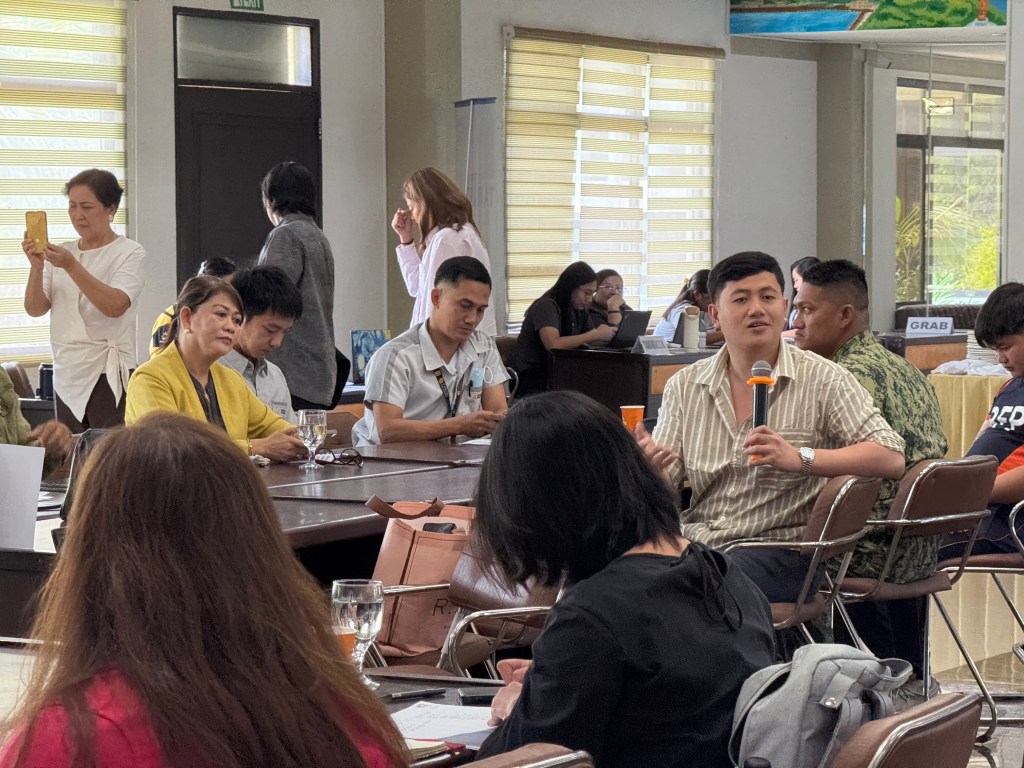

Last month, I logged into a virtual room alongside 150 dedicated participants in Northern Mindanao. Local government units, regional agencies, and key community stakeholders gathered online with a singular and powerful focus. They are officially embarking on a critical journey to develop their own subnational Road Safety Action Plan. I hold immense admiration for the leaders and citizens of Northern Mindanao for championing this noble undertaking. Their proactive approach demonstrates a profound reverence for human life and a commendable dedication to public welfare. Witnessing their vibrant commitment through the screen ignited a renewed sense of hope for our shared responsibility to make every street secure.
It is deeply humbling to reflect on the roots of this life-saving initiative. We pioneered subnational action planning right here in Western Visayas through the Ligtas na Kalsada for All (LinK4All) Project. Our early and localized efforts have naturally evolved into an inspiring takeoff point for other regions across the Philippines. Seeing this framework adopted as a standard national practice is a tremendous honor. We all share one absolute and unifying objective. We must save lives and eliminate severe injuries from road crashes in every single community.
The absolute success of any large-scale strategy relies entirely on the empowerment of grassroots communities.
We consistently hear about sweeping global mandates and national directives aimed at transport reform. The United Nations and national agencies set ambitious targets for crash reduction. However, these macro-level policies only provide a general and guiding vision. True and lasting transformation happens directly on the ground. The absolute success of any large-scale strategy relies entirely on the empowerment of grassroots communities.
National road networks and local streets possess distinct characteristics. A blanket policy crafted in a distant capital rarely resolves the unique hazards of a specific provincial highway or a bustling neighborhood intersection. Empowering local government units guarantees tailored and highly effective solutions. Local leaders inherently understand their specific traffic flow, pedestrian habits, and geographical risks.
Localized planning cultivates profound community ownership. When regional stakeholders design the safety interventions, they become fiercely invested in the long-term outcomes. Traffic enforcement becomes consistently rigorous and deeply respected. Public awareness campaigns resonate powerfully because they speak the local language and reflect the regional culture. Strategic resource allocation improves dramatically through this subnational focus. Local councils easily identify precise high-risk zones in their jurisdictions. They direct funding exactly where it will deliver the greatest impact. This localized precision maximizes the utility of limited municipal budgets to protect families.
Northern Mindanao is taking a monumental step forward today. I extend my deepest appreciation to every individual driving this regional milestone. As more regions adopt the blueprint established by Western Visayas, our nation builds a formidable road safety network from the bottom up. We must continuously equip our local leaders with the necessary data, technical tools, and authority to enact meaningful change. Safer roads are never built by broad policies and plans alone. They are paved by empowered local communities taking decisive and inspired action to protect their own people.
Article originally published on the Daily Guardian on February 23, 2026.


Leave a comment