
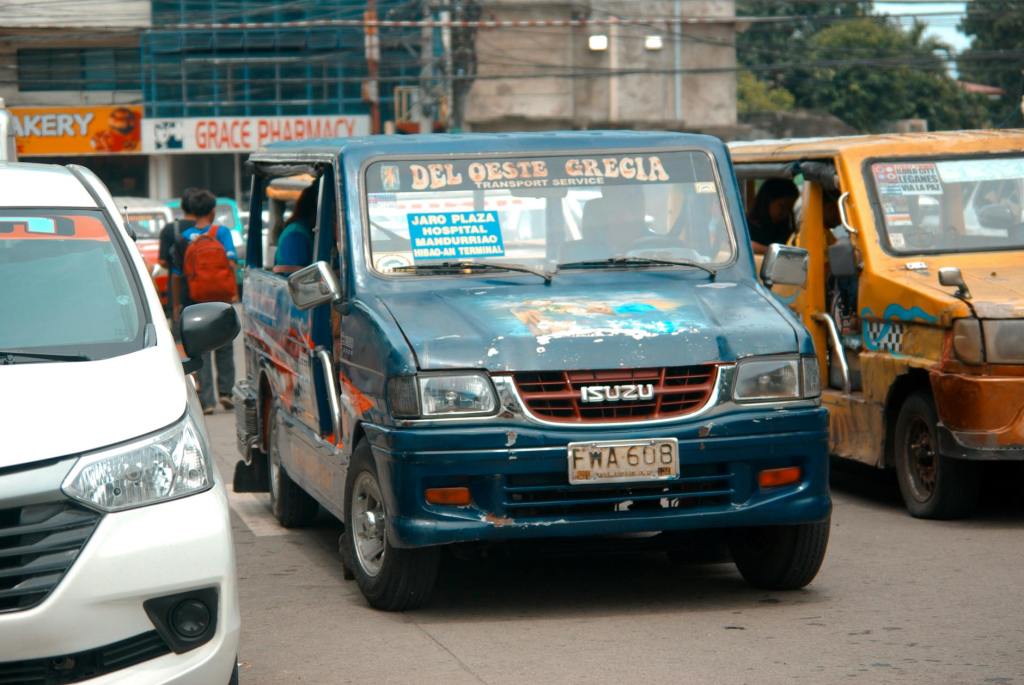

Last week, I wrote about the prisoners’ dilemma in our public transportation sector. Today, the sad realities of these long-standing outcomes trap us. A global fuel price increase impacts everything. Prices surge across the board. The transportation sector takes the most direct hit. Public transportation acts as the primary shock absorber for the economy. The government’s response dictates the survival of our city’s mobility network. Right now, we face a systemic collapse. We suffer deep wounds today from a historical lack of foresight. Meaningful change takes time.
Transport groups are staging strikes left and right amid the launching of the service contracting program because it will involve a few drivers and operators while others will be left behind. There were structural issues before that frustrated the sector including unpaid operations inherited from the previous administration. While the sentiments of drivers and operators are valid, it is undoubtedly the system of the regulators that needs reforms, or even the institution itself. After all, these issues get passed on from administration to administration.
Our government regulator must execute three critical reforms. They must institutionalize automatic fare adjustments, restructure operator income, and devolve local public transport route planning.
Our government regulator must execute three critical reforms. They must institutionalize automatic fare adjustments, restructure operator income, and devolve local public transport route planning.
The current process for fare setting heavily relies on petitions and public hearings, where more often we see limited economic impact analysis. I observed petitions that go as high as doubling the fare. While it helps the sector, it does not consider the inflationary effects and the reverse impact reducing patronage who would choose other modes due to the fare increase. In the state of New South Wales in Australia, I got the opportunity to build a case study and saw how a central body that regulates price caps help. The Independent Pricing and Regulatory Tribunal or IPART help keep costs at bay while giving sectors flexibility. Instead of having a minimum fare, they set a maximum with sensitivity projections in place so decision making is streamlined. This happens not only on fare, but also on utilities.
The boundary system has got to go. And while there will be mixed opinions on this, the government must stand firm to strike a balance between fair fares and welfare of the drivers. In crises like this, the Libreng Sakay is more of an economic liability in the long run. The government must instead subsidize permanently fixed service fees per kilometer of travel and timeliness, regardless of ridership. The queuing of jeepneys to get passengers is an often an unseen economic loss due to the lost time of its passengers and a wastage of fuel when jeeps are idling. Timeliness will increase reliability and will eventually attract more passengers reducing private car reliance.
The regulators of public transportation needs to let go its centralized grip on route franchising and implement a modernized system for fleet management. In this time of artificial intelligence and modernization, it is quite ironic to still have a fixed number of franchises per route. The regulators, as much as it challenges the operators to shift to modernized jeeps, must also challenge their transport management philosophies to keep up with the times. As I have written in my past articles, we need dynamic fleet management so jeeps can easily be augmented to higher-demand routes and low-demand routes can have a level playing field. Technical capabilities must be on the ground, in the regional offices, and in local government units. The grassroots must be empowered to design intra-city, and inter-regional linkages to ensure rural corridors and active mobility integrations are not treated as secondary priorities to Metro Manila’s congestion. Let lessons from the capital be useful assets for regions not to replicate the problem. True resilience requires bold structural shifts. The government must move past temporary relief measures. We need data-driven regulatory frameworks. We must protect our commuters and our transport workers simultaneously. Only decisive reforms will transform our fragile public transport network into a robust engine for economic mobility. From the pandemic to this fuel crisis in just a span of five years, it is an urgent wake up call.
 Ilonggo Engineer
Leave a comment