
Ray Macalalag
-
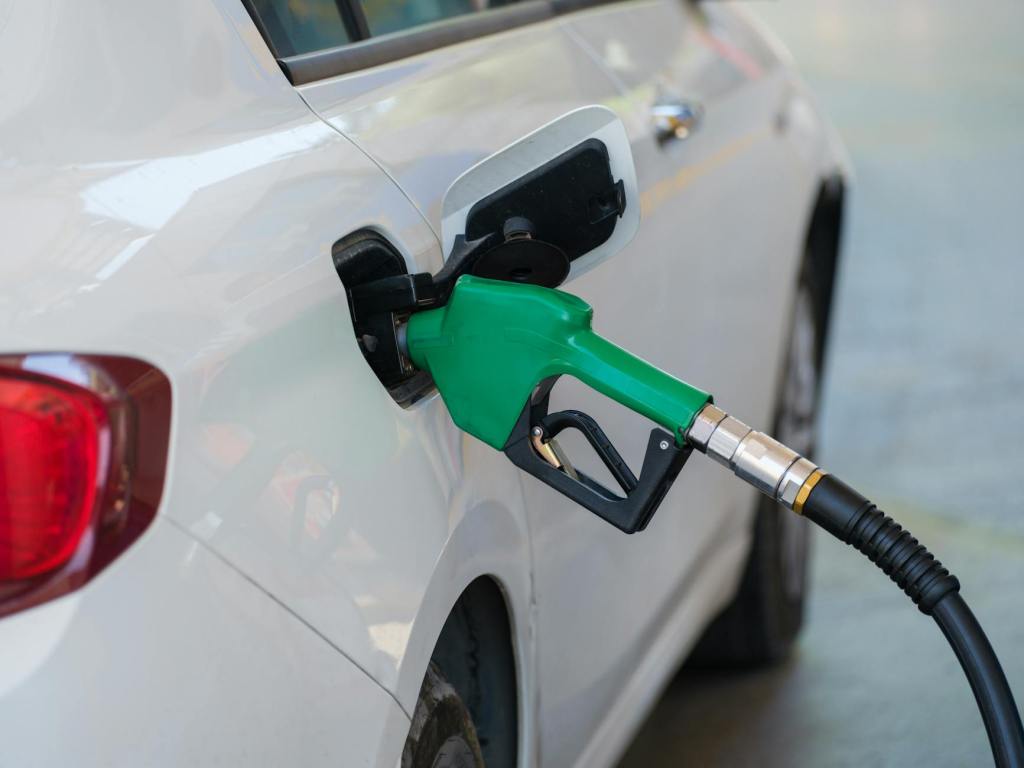
Optimize your Trips as Oil Prices rise
3–4 minutesThe rising fuel prices in the Philippines, driven by global conflicts, are impacting households and essential services, increasing transportation and food costs. While government support is essential, individuals can adapt through cycling, public transport, and technological changes, collectively mitigating the effects of these challenges.
-
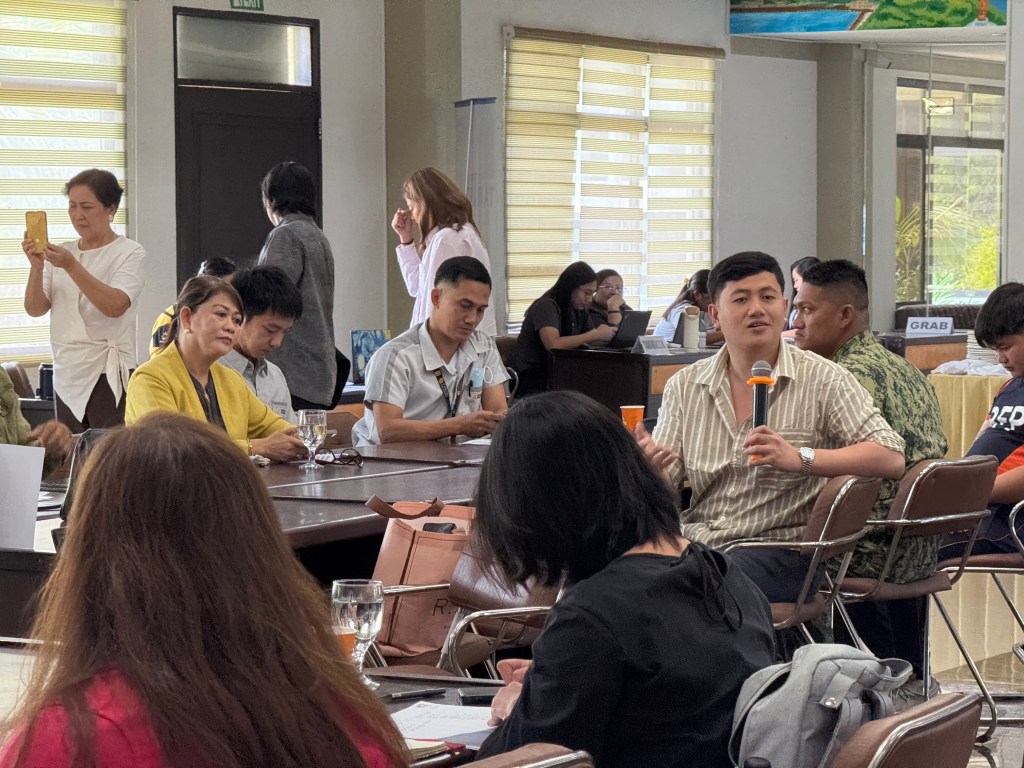
Road Safety in the grassroots
2–3 minutesLast month, 150 participants from Northern Mindanao united online to launch a transformative Road Safety Action Plan. This heartfelt initiative reflects their commitment to safeguard lives, urging localized strategies over broad policies. As grassroots empowerment drives this change, hope flourishes for safer roads across the Philippines.
-

More than builders: redefining the civil engineer
3–4 minutesAs a civil engineer and part of the organizers of the recent oathtaking of new civil engineers in Iloilo City, I watched 117 young professionals raise their right hands with eyes full of ambition. The hall was filled with the energy of a new generation ready to build. Yet, as I looked at the sea…
-
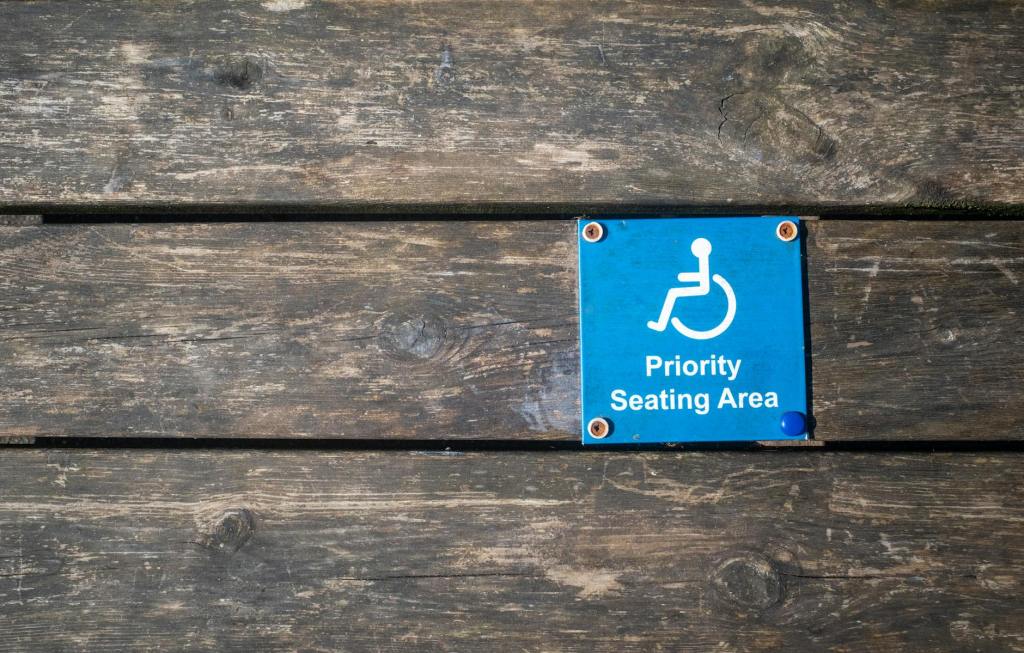
Building Inclusivity and Mobility, Dinagyang for All
3–4 minutesThe Dinagyang Festival in 2026 showcases significant improvements in logistics and safety while adapting to modern needs. Enhanced crowd management, diverse attractions, and increased security measures ensure memorable experiences. Looking ahead, prioritizing inclusivity for all attendees, particularly those with disabilities, and promoting sustainable transportation will elevate the festival’s impact and community spirit.
-
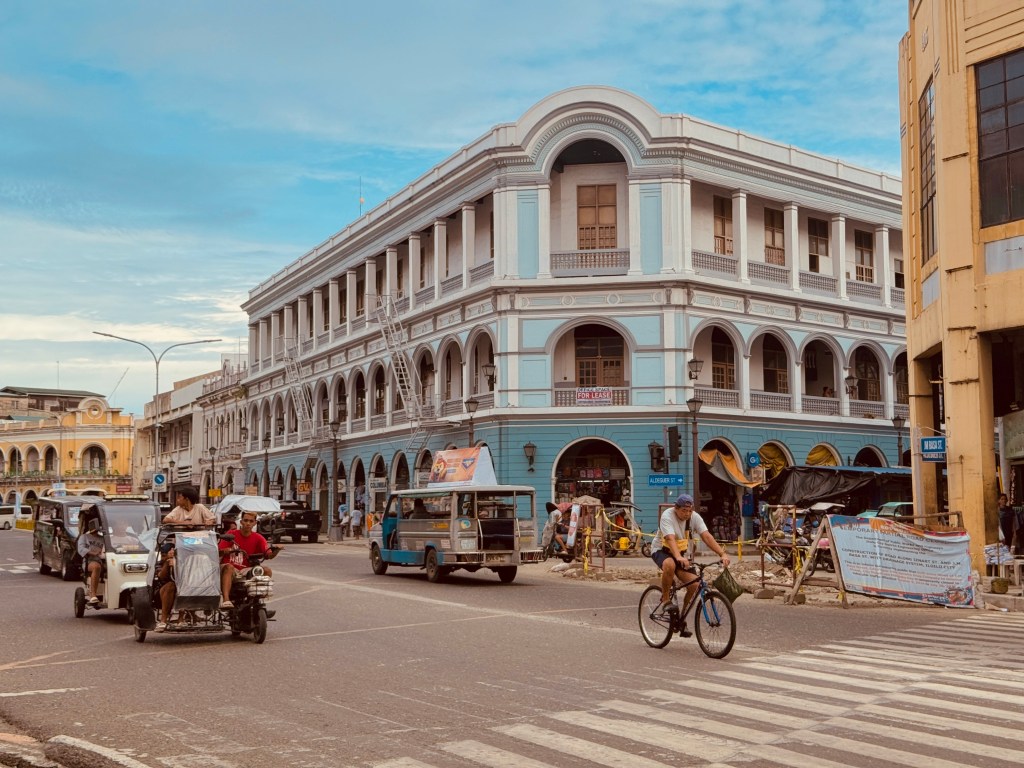
Sustainable Transport starts with Safety
3–5 minutesIloilo City is buzzing with electric vehicles, proving we’re semi-sustainable! Yet, while new rides roll in, safety and infrastructure remain sketchy. Remember: swapping gas for electricity won’t save the planet if our grid still favors coal. We need more walkable paths, safer roads, and cleaner energy, stat!
-
Yey! Made it to 10 Countries (part II)
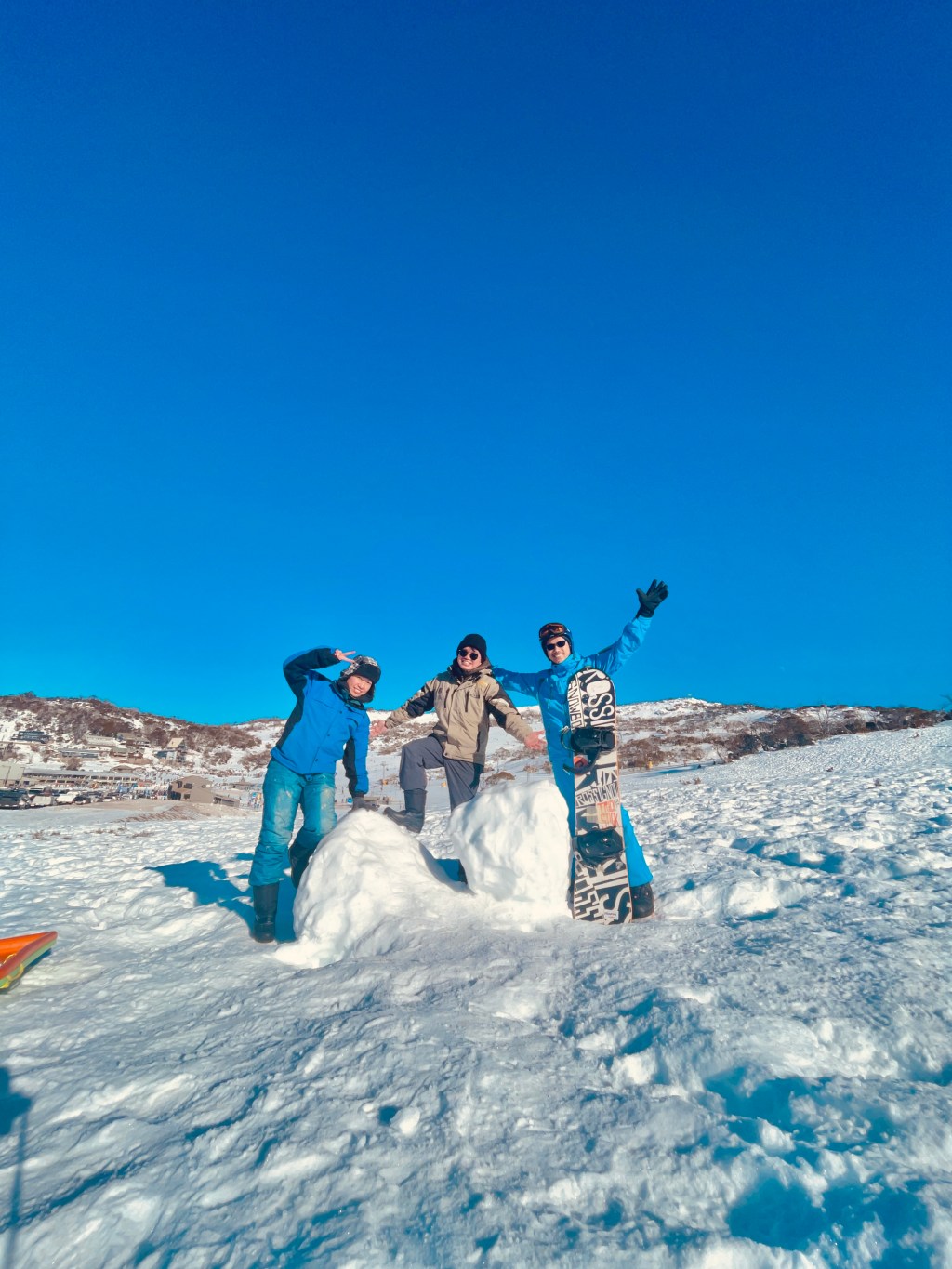
5–7 minutesAfter enduring a travel hiatus due to the COVID-19 pandemic, I joyfully resumed my adventures in 2023, exploring Australia, New Zealand, Fiji, Türkiye, and Morocco. Each destination enriched my experience and taught me resilience. Celebrating reaching ten countries, I eagerly anticipate new journeys filled with discoveries and lasting friendships.
-
From Receipts to Reality: How Electricity and Water Bills Tell Iloilo’s Story
4–6 minutesThe rising utility bills in Iloilo City expose a harsh reality: while families strive for efficiency, external factors like volatile energy prices and water tariff hikes compound the pressure. Without significant action from both consumers and government, the cost of living will persistently climb, revealing our city’s precarious balance between progress and affordability.
-

The Wins and Losses of Transport in 2025
3–5 minutesIn 2025, Western Visayas saw infrastructure advancements and safety initiatives but faced significant policy and equity challenges. Key events included the inauguration of the Sunset Boulevard, rising crash rates, modernization confusion, and the development of the Western Visayas Road Safety Action Plan.
-
Cars, not malls, create the jam
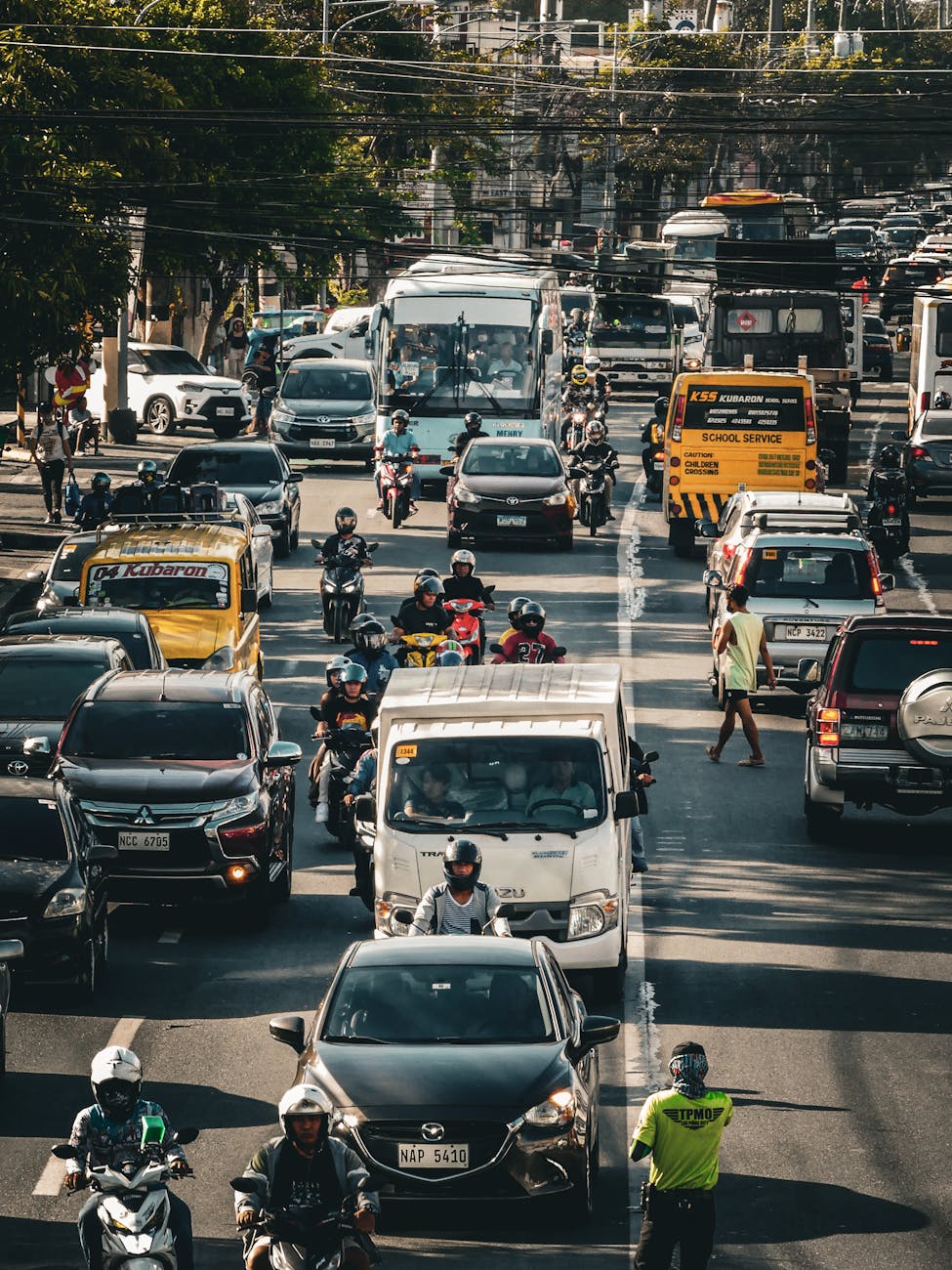
3–4 minutesTraffic congestion on EDSA persists as a major issue, exacerbated by a surge in registered vehicles and ineffective transportation strategies. While past measures, such as extended mall hours, provided temporary relief, they are no longer sufficient. Authorities must improve public transport reliability and implement cohesive traffic management to prevent worsening conditions.
-

Daluy Retreat Spa: A Sanctuary of Filipino Healing
2–3 minutesDaluy Retreat Spa in Iloilo City beautifully merges Filipino wellness traditions with modern comforts. Its signature Daluy Hilot Massage offers a rejuvenating 90-minute experience rooted in cultural healing practices. With a range of treatments catering to all needs, Daluy stands out as a sanctuary for relaxation and holistic well-being.
 Ilonggo Engineer