
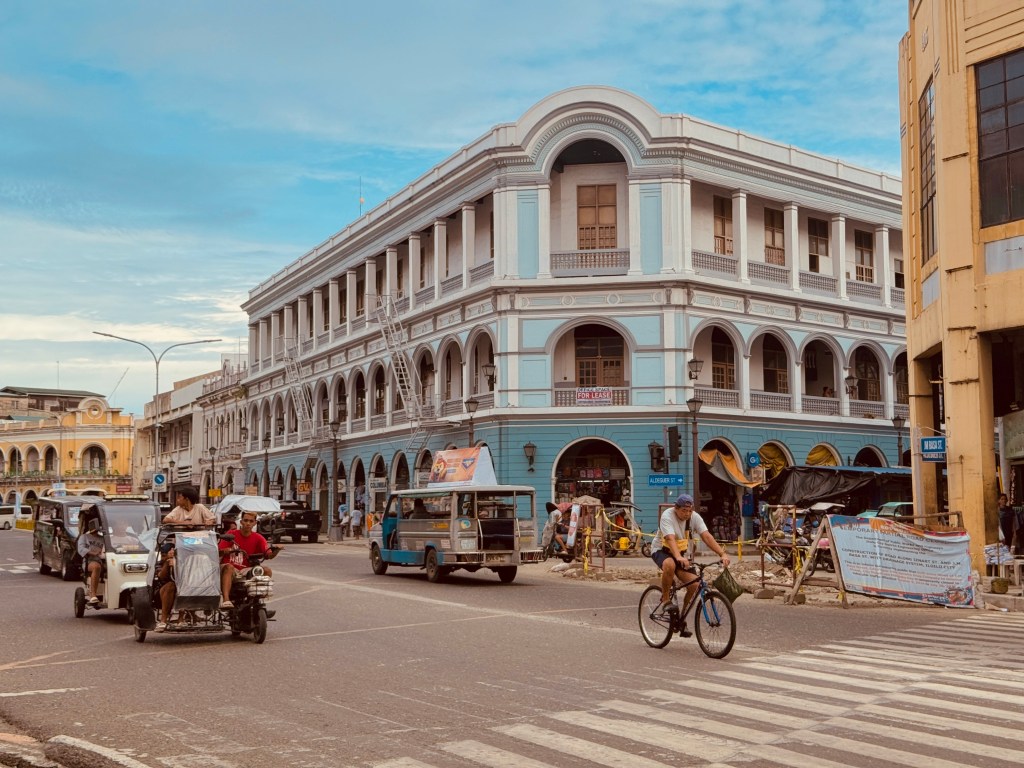

I have been watching electric vehicles (EVs) slowly appear on the streets of Iloilo City, from private cars to pilot public transport units. Having seen this transition earlier in Metro Manila and Cebu, I understand the excitement it brings. Electric vehicles are often framed as evidence that our transport system is finally becoming sustainable.
The United Nations Decade of Sustainable Transport (2026-2035) is a global initiative that seeks to transform how societies move people and goods by aligning transport systems with the Sustainable Development Goals. It emphasizes that transport is not only about vehicles and infrastructure but also about safety, accessibility, resilience, and environmental responsibility. As the EV shift gains visibility, I find myself questioning whether cities are addressing the fundamentals of mobility or simply adopting what looks modern.
Iloilo City is beginning to see more electric vehicles on its streets, echoing the rapid growth of the EV market nationwide. National sales were projected to reach 20,000 units in 2025, up from fewer than 1,000 in 2022. This surge was driven by incentives and growing consumer demand. The emissions problem, however, is not solved by simply shifting from gasoline to electricity. If the power plants powering these vehicles continue to rely heavily on coal, the environmental gains are marginal. For Iloilo City, the bigger challenge is not the number of EVs on the road but whether people can move safely, affordably, and reliably. Sustainable transport must begin with mobility and safety. There is no sustainability if there is no safety.
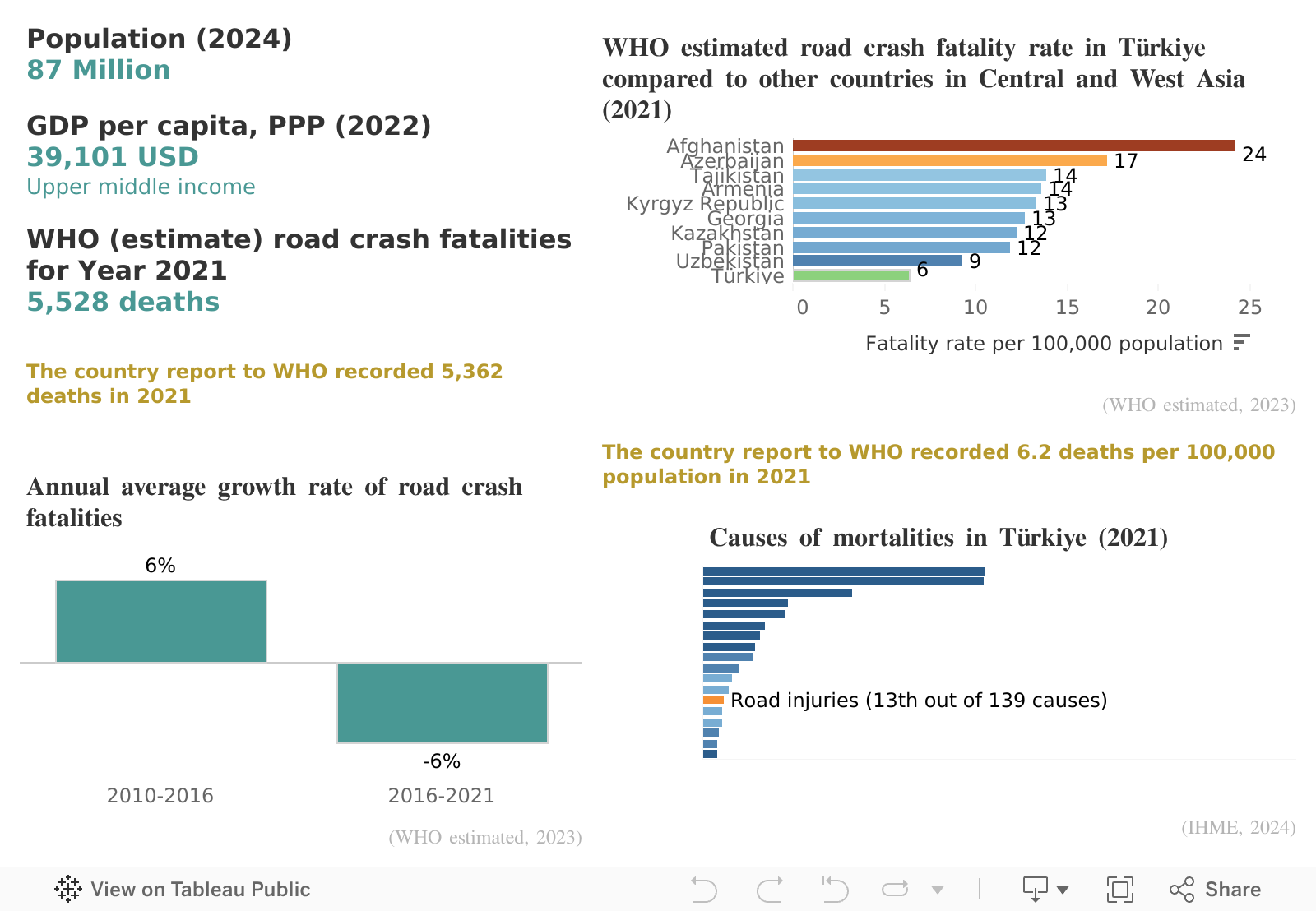
Click the image to view the interactive dashboard
Western Visayas has already recognized this by launching the country’s first region-specific road safety plan. The Western Visayas Road Safety Action Plan 2026-2028 was introduced to reduce crashes and save lives. This is critical because road traffic injuries remain a major issue nationwide. The Philippines recorded a road traffic death rate of at least 10 per 100,000 population in 2021. In Iloilo City, pedestrians and cyclists remain vulnerable due to limited infrastructure. Addressing these risks must be the foundation of any sustainable transport agenda.
Public transport is crucial. While parts of the country’s jeepney fleet have been modernized, coverage and reliability are uneven. Rural municipalities in Western Visayas lack connectivity, isolating students, workers, and farmers. Globally, over a billion people lack access to an all-season road, and this is reflected locally in many barangays. Expanding reliable public transport and strengthening rural-urban linkages will deliver immediate benefits, unlike focusing on costly and difficult-to-deploy advanced technologies.
Investments in walking and cycling infrastructure provide fast and cost-effective returns.
Urban growth in cities also demands integrated planning. Without compact and connected development, congestion and pollution will worsen. Investments in walking and cycling infrastructure provide fast and cost-effective returns. These modes improve health, reduce emissions, and enhance safety, serving low-income communities that cannot afford private vehicles. Shared mobility options like bike-sharing and car-sharing can further expand access.
Resilience is equally important. Western Visayas is highly exposed to typhoons and flooding. Roads, bridges, and ports must be designed to withstand these shocks. Nature-based solutions like floodable parks and coastal buffers should be integrated into infrastructure planning. Transport systems that fail during disasters undermine economic recovery and social stability. Building resilience is essential for a region that faces climate risks annually.
Governance and enforcement must improve. Traffic rules are often ignored or subjective, and enforcement is inconsistent with institutions grappling with outdated policies and inefficiency. A culture of road safety must be cultivated, supported by strong institutions and accountability. Without this, investments in infrastructure and vehicles will be undermined by unsafe practices. Safety is not only about infrastructure but also about behavior.
Innovation must be tailored to local capacity. Digital tools for traffic and logistics can enhance efficiency, but they should prioritize mobility for all, minimizing the gaps between winners and losers in the bargaining of priority in mobility. EVs can contribute, but only if paired with a clean energy transition and affordable policies. Otherwise, EV adoption may become symbolic rather than transformative.
The success of the UN Decade of Sustainable Transport depends on local realities. For Western Visayas, this decade should be defined by safer streets, reliable public transport, stronger rural-urban connectivity, resilient infrastructure, and a serious commitment to shifting the energy mix toward clean sources. These priorities will deliver sustainability that is real, not symbolic, and ensure that transport serves as a backbone of inclusive development.
Article originally published on the Daily Guardian on January 12, 2026.
 Ilonggo Engineer
Leave a comment