
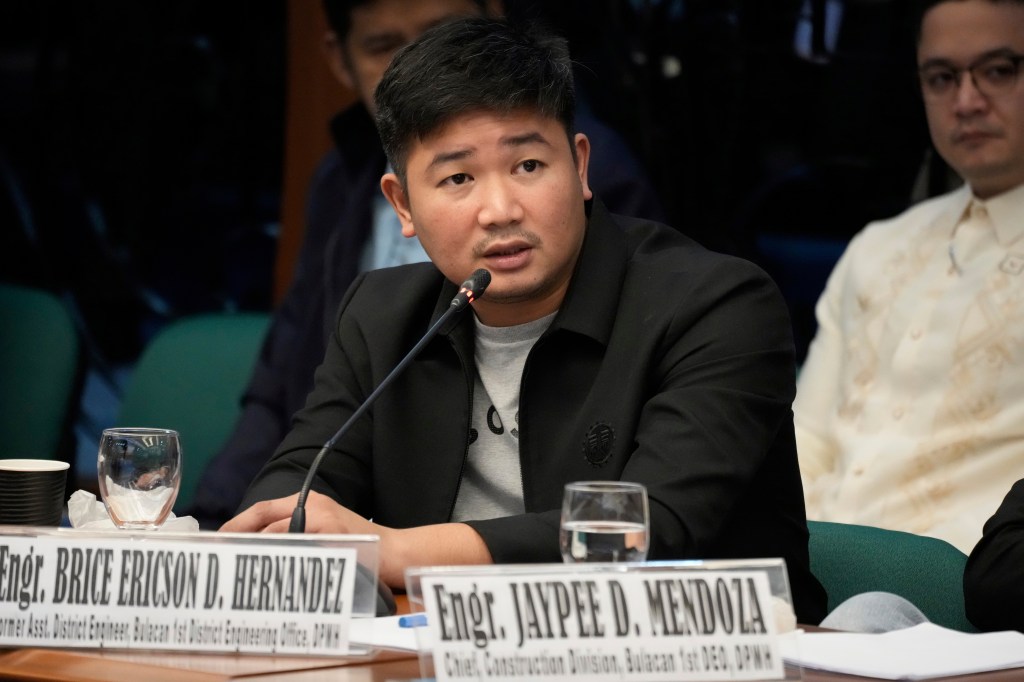

It started smoothly with the uncovering of the multi-billion-peso flood control projects of which some were allegedly “ghost” or non-existent projects, but were paid for by the people of the Philippines on paper. These flood control projects are either completed or substandard as far as workmanship is concerned. Then came yet another issue, the overpriced cat’s eye which cost at least PHP11,000, but on market value would cost a mere PHP2,000 as well as solar streetlights which cost PHP157,000 each, but market estimates only amount to PHP32,000-PHP40,000.
These revelations, far from isolated, are part of a larger pattern. They illustrate how deeply corruption has seeped into infrastructure projects that are supposed to protect lives, ease daily struggles, and fuel national progress. The public is taking notice, and it is no surprise that student leaders, civil society groups, and even business leaders have taken to the streets. Silence, for many, is no longer an option.
When corruption bleeds into infrastructure, the damage is not just about the billions siphoned off. The most immediate cost is safety. Substandard flood control systems fail when typhoons strike, leaving communities defenseless against rising waters. Instead of protecting lives and property, poorly built structures compound the disaster. Another casualty is public trust. Each overpriced streetlight or non-existent project deepens cynicism. Citizens begin to see every groundbreaking, ribbon-cutting, motorcade, or tarpaulin not as progress but as another opportunity for plunder. Over time, even well-intentioned and necessary projects face public skepticism, slowing badly needed development.
When corruption bleeds into infrastructure, the damage is not just about the billions siphoned off. The most immediate cost is safety. Substandard flood control systems fail when typhoons strike, leaving communities defenseless against rising waters.
The economic toll is staggering. Money diverted into ghost projects is money that could have gone into hospitals, classrooms, and social protection. A solar streetlight bloated five times its value is not just a financial anomaly. It is a stolen opportunity, a teacher unpaid, a patient untreated, a farmer unsupported. The social cost is equally grave. Corruption reduces faith in governance, normalizes inefficiency, and breeds silent frustration sugarcoated as resilience. When people lose trust in public institutions, they also lose faith in democratic processes. These negatively impact the real attainment of the collective vision of the people of a high-trust society by 2040. The protests on the streets are more than cries against overpriced infrastructure. They are the outcomes of governance. They are demands for dignity and accountability.
The courage of young leaders and civil society groups to speak out marks a pivotal shift. For too long, corruption has thrived under a culture of resignation, where irregularities are shrugged off as part of doing business. But silence has its price: weakened institutions, wasted resources, and futures deferred. To protect the next generation, this cycle must be broken.
For too long, corruption has thrived under a culture of resignation, where irregularities are shrugged off as part of doing business.
Exposing scandals is not enough. If infrastructure is to serve as the backbone of national progress whether in tangible form or as a percentage of the gross domestic product, reforms must follow. Procurement processes should be made more transparent, with full disclosure of project costs, suppliers, and technical details through accessible public platforms. Independent oversight bodies such as the Commission on Audit and the Office of the Ombudsman should be strengthened, while citizen watchdog groups must be empowered to monitor projects. Accountability should be swift and firm, with strict penalties for both public officials and private contractors who profit from corruption. Communities should be given a direct role in auditing and monitoring, ensuring that the people who are meant to benefit are also the ones ensuring quality and completion. Finally, there must be a cultural shift that frames the protection of public funds as an act of patriotism. Every peso saved is a peso invested in the nation’s future. Corruption in infrastructure goes far beyond stolen money. It is the stolen safety, stolen trust, and stolen futures. The Philippines cannot afford to let roads, bridges, and flood control systems become synonymous with scandal. If the nation’s backbone is to remain strong, it must be freed from corruption. The choice now lies with us. Will we continue to treat corruption as collateral damage, or will we confront it as the central obstacle to progress? Collective vigilance, systemic reform, and civic courage are the only ways forward. Only then can we rebuild not just our infrastructure but for a matatag, maginhawa, at panatag na buhay, a high-trust society.

This content is originally published in Daily Guardian, September 22, 2025 issue and online in their website.


Leave a comment