

The Dinagyang Festival is now coming to a close. It is 2026 and a lot of things have changed for the festival. Major adjustments were introduced to improve crowd flow and safety. Judging areas were reduced to three, now limited to the Iloilo Freedom Grandstand, the Luna-Huervana Intersection in La Paz district, and the Iloilo Sports Complex. This streamlined setup eased traffic, expanded seating, and allowed organizers to concentrate resources on better performances and audience comfort. Emergency teams and response vehicles were also deployed in greater numbers to secure the event.
Beyond logistics, the festival broadened its appeal with Ilomination parades, food fairs, and concerts that complemented the traditional tribal competitions. These additions strengthened Dinagyang’s role as both a religious devotion to the Santo Niño and a premier tourism showcase for Iloilo City, ensuring its continued relevance in a modern urban setting.
The festival also faced challenges tied to crowd management, safety, and environmental concerns. In-person classes were suspended to ease traffic, while authorities deployed 4,613 police personnel and force multipliers to secure judging areas and party zones. Strict bans on bladed objects, bottles, and smoking were enforced, reflecting heightened security needs. Organizers also scrapped the traditional banderitas decorations due to risks from overhead utility wires and garbage buildup, highlighting the tension between festive aesthetics and public safety. These issues underscored the logistical strain of hosting one of Iloilo’s largest cultural events.
A festival of Dinagyang’s scale inevitably brings not only joy and spectacle but also complex challenges that demand thoughtful solutions. While organizers have made strides in streamlining logistics and enhancing safety, deeper concerns remain about how the celebration engages with the wider community and manages the city’s mobility during peak festivities. These concerns reveal gaps that go beyond crowd control and point to structural issues of inclusivity and transport planning that deserve urgent attention.
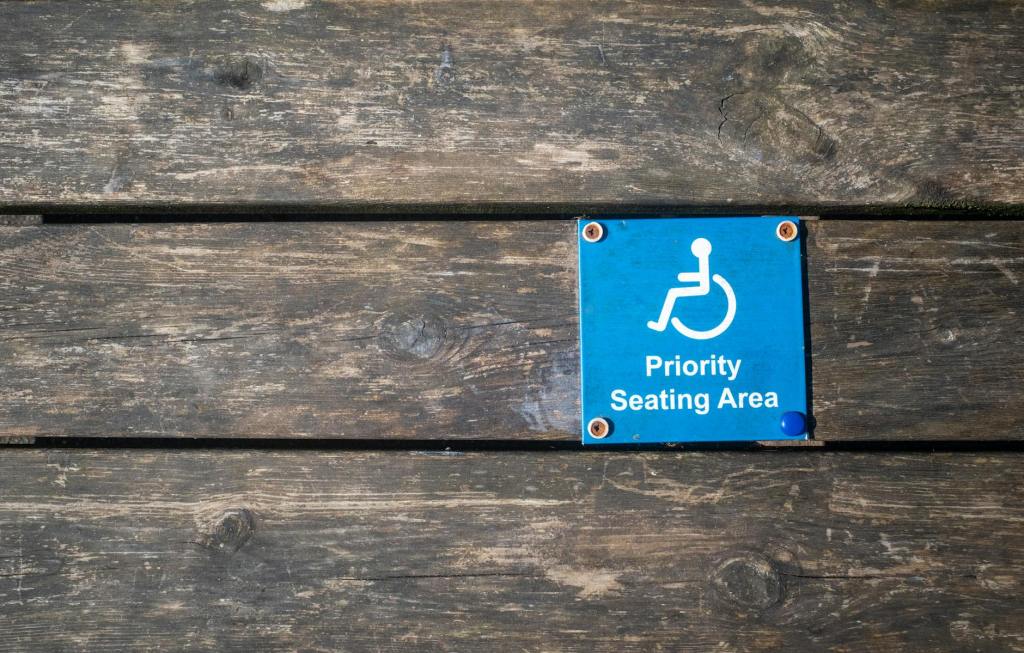
With a family member having a physical disability, I feel that the festival continues to struggle with inclusivity, particularly for persons with disabilities who are often left behind in the festivities. Dedicated viewing areas and event spaces remain largely non-existent or rare, with limited ramps, seating, and mobility support. This exclusion undermines the festival’s spirit of community and devotion, as it prevents a segment of the population from fully participating. The absence of accommodations highlights a gap in planning that should prioritize equity and accessibility alongside spectacle. It is not enough to provide free tickets; what is needed is a deliberate effort to create spaces where everyone can celebrate together.
It is not enough to provide free tickets; what is needed is a deliberate effort to create spaces where everyone can celebrate together.
Another pressing issue is the way road closures were managed, which restricted public transportation routes instead of enhancing them. Jeepneys and buses were diverted away from key festival zones, leaving commuters stranded and forcing many to rely on private cars or long walks. This missed opportunity prevented public transport from being an asset that could have connected audiences between highlight events while reducing congestion and emissions. A more thoughtful re-routing and augmentation plan could have promoted shared mobility, supported affected communities, helped jeepney drivers with their sustained income despite closures, and aligned the festival with sustainable urban practices. The Dinagyang Festival has always been a symbol of devotion, creativity, and pride for Iloilo. Its evolution in 2026 shows that organizers are capable of adapting to modern demands, yet the true measure of progress lies in how inclusive and sustainable the celebration becomes. A festival that welcomes every citizen, including those with disabilities, and one that embraces public transportation as a vital connector of communities, will not only ease logistical burdens but also embody the values of equity and shared joy. Dinagyang’s future depends on choices that honor tradition while opening doors for all, ensuring that the rhythm of the drums resonates across every street and every life in Iloilo.
Article originally published on the Daily Guardian on January 29, 2026.
 Ilonggo Engineer
Leave a comment