


As July comes to a close, it has been a month of reflection. Much of that reflection centers around planning, and more critically, the processes of monitoring, evaluation, and learning (MEL) that must follow. This moment of introspection aligns with a major national event. The President is scheduled to deliver his State of the Nation Address today. This is more than a speech. It is a mirror held up to government agencies, a public reminder of how far we have come and where we are headed. For implementing agencies, it is a logistical test, one that demands timely MEL activities to report tangible outcomes.
Earlier this month, I had the opportunity to participate in the Research for Development Impact (RDI) Network Exchange held at the University of Technology Sydney. Supported by the Australian government, this conference brought together researchers, development practitioners, and policymakers from Australia and across the Indo-Pacific. The goal was to share insights, build meaningful connections, and challenge conventional development practices. Discussions focused on new approaches to MEL, development management, communication, and futures thinking.
One of the more striking lessons I took home was about the burden of proof placed on development programs. In a session on MEL, the principles of minimalism and pragmatism stood out. Representatives from FH Design, a Melbourne-based development consulting firm, stressed the importance of distinguishing between program logic and theory of change. While program logic defines the problem and its elements, theory of change involves the actors driving social transformation. Confusing the two leads to overly complicated and poorly designed frameworks. These create unnecessary demands for data collection and strain already limited implementation capacity, especially in resource-constrained settings.
The Philippine Road Safety Action Plan 2023 to 2028 illustrates this point well. The plan offers a solid overview of the country’s road safety issues. Yet, in reality, implementation has been difficult. Road crash incidents continue to rise, with fatalities and injuries mounting. While the plan identifies problems, it fails to clarify the key actors or the specific mechanisms needed to drive change. Outside Metro Manila, the plan’s visibility is limited and its impact remains largely unfelt. Our regional initiative, Ligtas na Kalsada for All (LinK4All) in Western Visayas, was born out of this very gap.
Scarce resources and ambitious goals further complicate development efforts. In contexts like ours, it is common to bundle several issues into a single outcome. Cross-cutting themes such as climate resilience, localization, and social inclusion are often packed into one objective. FH Design shared an example that captured this challenge: reducing open defecation rates through community-led sanitation within two years. While the intent is clear, the outcome is restricted to a narrow approach. It excludes the potential role of external support, which might be essential in low-capacity areas. Another example from a WASH program showed a similar contradiction. It aimed to improve soap access for the poorest members of a community while also turning soap-making into a profitable business. These goals can work against each other when implemented in isolation or without coherence.
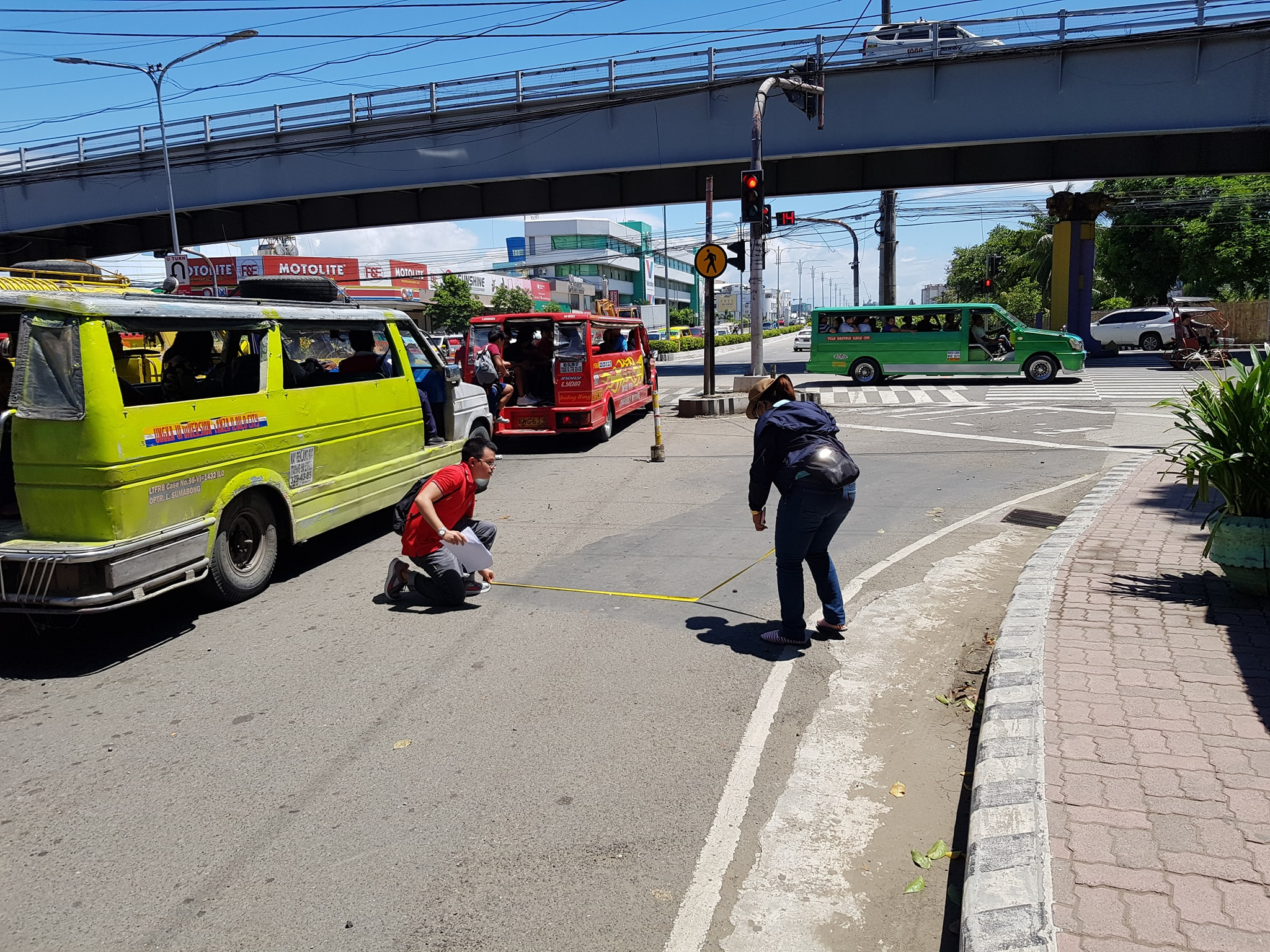
Such contradictions are common in national and local planning frameworks. MEL remains a persistent challenge in the Philippines. Too often, our plans attempt to address every issue in a single sweep, as if development is a race with a visible finish line. This approach is problematic for all involved. For beneficiaries, programs seem confusing and disconnected, which breeds skepticism. For implementers, it creates uncertainty about where to direct energy and resources. For MEL practitioners, it makes it difficult to define and measure what success looks like. The value of reflection, especially during moments like these, lies in our willingness to confront hard truths. We must resist the temptation to chase perfect outcomes and instead prioritize clear, focused, and realistic goals. In doing so, we can shift from performative planning to meaningful progress. Development work is not a race toward perfection but a steady pursuit of impact, built on honesty, clarity, and the courage to choose fewer, but better paths forward.

This content is originally published in Daily Guardian, July 28, 2025 issue and online in their website.
 Ilonggo Engineer
Leave a comment